

One of the most overlooked details in reinforced concrete construction is also one of the most important. Concrete cover.. the layer of concrete between the outer surface of a structural element and the nearest reinforcing bar.. determines whether your structure lasts decades or deteriorates within years. Get it wrong, and no amount of good concrete mix will save you.
This post breaks down what concrete cover is, why it matters, what the standards require, and how to maintain it correctly on a real construction site.
What Is Concrete Cover?
In simple terms, concrete cover is the minimum thickness of concrete that must surround the reinforcing steel in any structural element. Whether you are looking at a beam, column, slab, or retaining wall, every steel bar inside must be protected by a specific thickness of concrete on all sides.
Cover is measured from the outer face of the concrete to the nearest surface of the reinforcement.. not to the centre of the bar. That distinction matters when you are placing your spacers.
The cover forms the protective shell around the steel. Without adequate cover, the steel is exposed to conditions that accelerate its deterioration.
Why Concrete Cover Matters
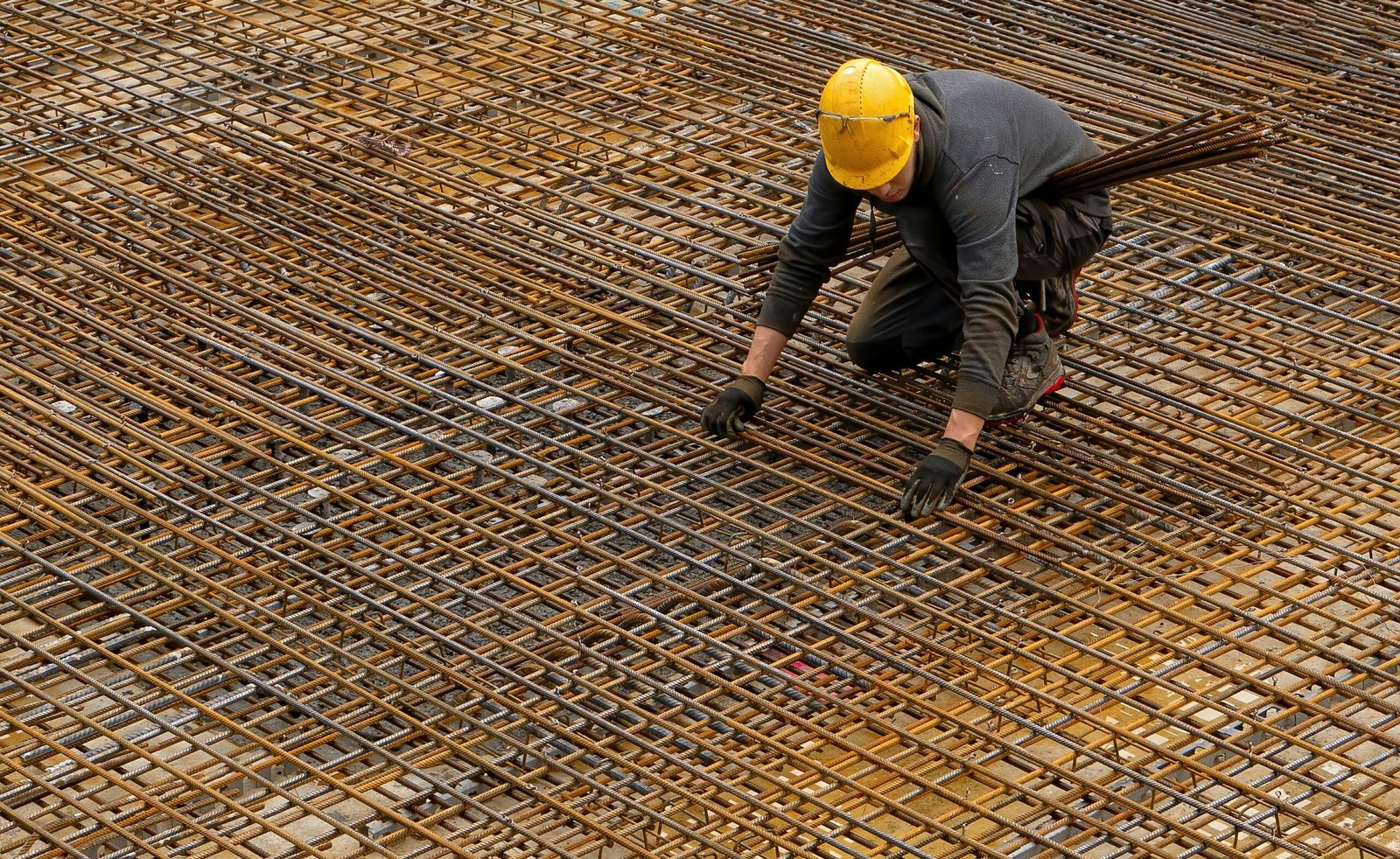
The truth is, the role of concrete cover goes far beyond holding the steel in position. There are three core reasons every engineer and technician needs to understand.
Protection against corrosion. Steel corrodes when it comes into contact with moisture and oxygen. Concrete is naturally alkaline, which creates a passive layer around the steel that prevents corrosion. If the cover is too thin, carbonation or chloride ingress from the environment can break down that alkalinity, and rusting begins. Once steel corrodes, it expands.. cracking the concrete from the inside out.
Fire resistance. Concrete cover is what protects the steel from high temperatures during a fire. Steel loses its structural strength at temperatures above 250 degrees Celsius. The thicker the cover, the longer the steel stays below that threshold. This is why elements designed to a higher fire resistance rating have greater minimum cover requirements.
Bond development. Concrete cover also gives the concrete enough depth to properly grip the reinforcing bars. Without adequate cover, the bond between concrete and steel breaks down, which means load transfer fails. In practical terms, this means a slab that cracks or a beam that deflects beyond acceptable limits.
Minimum Cover Requirements: BS 8110 and Eurocode 2
Cover requirements are not guesswork. They are set by design standards based on the exposure class of the structure.
BS 8110 (still used as a reference in Kenya and many African countries) specifies minimum covers as follows:
- Mild exposure (internal dry conditions): 25 mm
- Moderate exposure (sheltered from severe rain, buried in non-aggressive soil): 35 mm
- Severe exposure (exposed to driving rain, alternate wetting and drying, freezing): 40 mm
- Very severe exposure (exposed to sea water spray, de-icing salts): 50 mm
- Most severe (fully immersed in sea water, exposed to aggressive ground): 60 mm
Eurocode 2 (EC2) uses a similar approach through nominal cover, which is calculated as the minimum cover for durability (c_min,dur) plus a construction tolerance allowance (delta c_dev, typically 10 mm).
Honestly, most failures in low-rise construction happen not because engineers specified the wrong cover.. but because it was not maintained on site.
How to Maintain Correct Cover on Site
Specifying cover on drawings is only half the job. The other half happens on site, and this is where most of the problems occur.
Use the right spacers. Plastic or concrete spacers are placed between the formwork and the reinforcing bars to hold the steel at the correct distance. Match your spacer size to the required cover. Never use pieces of timber, brick, or random debris as spacers.. these materials do not provide consistent cover and can introduce moisture pathways.
Check before casting. Before any concrete pour, carry out a cover check on the reinforcement. Walk the element and confirm that spacers are in position, properly tied, and spaced at no more than 800 mm intervals for slabs and beams. Any areas where the steel has shifted or spacers have been displaced must be corrected before casting starts.
Control bar displacement during casting. Workers walking on reinforcement, vibrators pushing bars out of position, and concrete being dumped directly onto the cage all cause cover to shift. Set up proper access routes across the reinforcement, and use a poker vibrator correctly to avoid disturbing bar positions.
Record and inspect. On supervised sites, cover checks should be recorded and signed off before every pour. A simple checklist with spacer positions and observations goes a long way in proving compliance and catching problems early.
What Happens When Cover Is Inadequate
The consequences of under-cover are visible and costly. Early cracking along bar lines is usually the first sign. As moisture penetrates, rust staining appears on the surface. Over time, the concrete spalls off in chunks.. a process called concrete spalling or delamination.
Structural repairs to concrete elements with corroded reinforcement are expensive. In some cases, the element has to be demolished and rebuilt entirely. In critical structures like bridges or multi-storey frames, inadequate cover can create serious safety risks.
The fix on site is simple and costs nothing.. using the right spacers and checking before you cast. There is no excuse for getting this wrong.
Final Takeaway
Concrete cover is not a minor detail. It is a core design requirement that directly affects the lifespan, fire resistance, and structural performance of every reinforced concrete element you build or supervise. Understand the standard requirements, make sure spacers are used correctly on site, and always check before the pour. That discipline, applied consistently, is what separates a good engineer from one who only finds out problems after the fact.
Want more practical civil engineering knowledge delivered directly to you?
👉 Subscribe to our YouTube channel: https://www.youtube.com/@TheCivilEngineeringHub-001
PS: Join our engineering WhatsApp community for daily learning at +254731393520