

Wall plastering is one of the most visible trades on any construction site. When it is done well, the building looks finished and professional. When it is done poorly, cracks appear within months, surfaces peel, and the client calls back with complaints that cost everyone time and money.
The truth is, most plastering problems on site do not come from bad workers. They come from skipping steps — rushing the surface prep, using the wrong mix ratio, or applying plaster in the wrong conditions. This guide walks you through exactly how to plaster a wall correctly, from surface preparation to final finish.
Quick Answer: To plaster a wall correctly, prepare the surface by cleaning, dampening, and applying a bonding agent or scratch coat, then apply a cement-sand render mix (typically 1:4 or 1:5 for backing coats and 1:3 for finishing coats) in two or three layers, finishing with a steel trowel for a smooth surface.
Why Surface Preparation Makes or Breaks Your Plaster Job
Before you mix anything, the wall surface must be ready. This is the step most artisans rush, and it is the reason most plaster failures happen later.
For blockwork or brickwork walls, clean off all dust, loose material, and any oil or form release agent that may have splashed onto the surface. Use a stiff brush and water. On smooth concrete surfaces, apply a bonding agent (such as Unibond or an equivalent SBR-based product) to improve adhesion — smooth concrete gives plaster almost nothing to grip.
If the wall is very porous (like old brickwork), dampen it with water before plastering. A dry wall pulls moisture out of the fresh plaster too fast, causing it to dry out before it gains strength. That leads to cracking and delamination. On the other hand, a wall that is dripping wet will also cause the plaster to slide. The surface should be damp.. not wet.
On large surfaces or difficult substrates, apply a spatterdash or scratch coat first. This is a rough mix (1 part cement : 2 parts sand) thrown or brushed onto the wall to create a mechanical key. Let it cure for at least 24 hours before applying the main render.
The Correct Plastering Mix Ratios by Coat
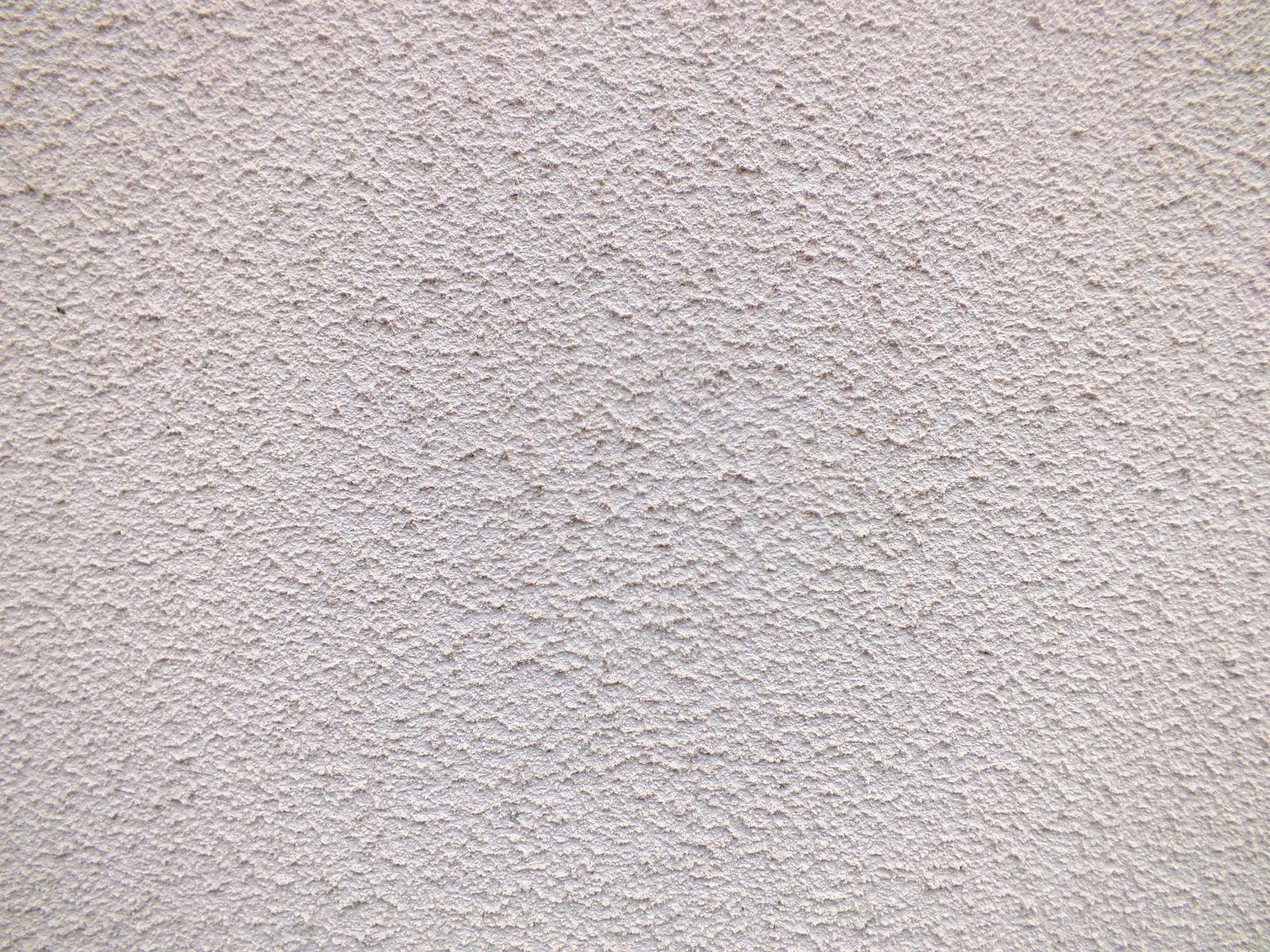
Plaster is applied in layers, and each layer uses a slightly different mix. Using the same mix for every coat is a common mistake that leads to cracking and poor bonding.
Here is the standard breakdown for a three-coat plaster system:
| Coat | Mix Ratio (Cement:Sand) | Thickness | Purpose |
|---|---|---|---|
| Scratch Coat (1st) | 1:3 | 5–8 mm | Base key coat, scratched before setting |
| Float/Render Coat (2nd) | 1:4 to 1:5 | 8–12 mm | Main body of the plaster, levelled and floated |
| Finish Coat (3rd) | 1:3 (fine sand) | 2–3 mm | Smooth, hard surface ready for paint |
For internal walls where only two coats are used, the backing coat is typically 1:4 (cement to clean sharp sand) and the finishing coat is 1:3 with fine plaster sand. Never use beach sand — the salt content weakens the mix and causes efflorescence (white staining) on the finished wall.
Add only enough water to make the mix workable. In simple terms.. if the mix falls off your trowel without effort, it has too much water.
Step-by-Step: How to Apply Plaster Correctly
Once your surface is prepared and your mix is ready, follow this sequence:
- Set your screeds (guides). Fix vertical screed strips or use a plumb bob to set vertical guide lines at 1.2 m to 1.5 m intervals. These control the thickness and flatness of your plaster. This is non-negotiable on large walls.
- Apply the backing coat. Throw or apply the mix firmly onto the wall using upward strokes. Work it into the surface to ensure full contact. Use a screed board (straight edge) to level the surface between your guides. Target 10–12 mm thickness for this coat.
- Scratch the backing coat. Before the backing coat sets fully (while still green), scratch horizontal lines across the surface using a comb or notched tool. This creates a key for the next coat. Leave it to cure for at least 24 hours.
- Dampen and apply the finishing coat. Lightly dampen the backing coat, then apply the finishing coat in a thin layer (2–3 mm). Work in sections using a float to even it out.
- Polish with a steel trowel. As the finishing coat begins to stiffen, go over it with a steel trowel in circular motions to close the surface and produce a smooth, hard finish. Timing is everything here — too early and the surface smears; too late and it drags.
Common Plastering Defects and How to Avoid Them
Knowing the defects is just as important as knowing the process. Here are the most common problems and their causes:
- Cracking: Usually caused by too much cement in the mix, applying plaster in direct sunlight or wind, or not curing after application. Always cure by lightly dampening the surface twice a day for 3–5 days after plastering.
- Delamination (plaster falling off): Caused by poor surface preparation, plastering over a dusty or oily surface, or applying a second coat before the first has cured properly.
- Hollow spots: Often caused by insufficient pressure when applying the first coat or air pockets trapped behind the plaster. Tap the surface with your knuckles to check — a hollow sound means poor bonding.
- Efflorescence (white salts on surface): Caused by using contaminated sand (beach sand or soil-rich sand) or water with a high mineral content. Use clean river sand and clean water.
Honestly.. most of these defects are preventable. The fix is always the same: do not skip the preparation and do not rush the curing.
Frequently Asked Questions
Q: What is the standard thickness for wall plaster in Kenya?
The standard external render is typically 15–20 mm total (applied in two coats), while internal plaster is 10–15 mm. The Kenya Building Code and BS 5492 (Code of Practice for Internal Plastering) both recommend that no single coat exceeds 15 mm to avoid cracking from differential shrinkage.
Q: Can I plaster directly onto smooth concrete without a bonding agent?
You can, but the risk of delamination is very high. Smooth concrete has low suction and offers very little mechanical key for the plaster to grip. Always apply a bonding agent (SBR adhesive or Unibond diluted 1:1 with water) and allow it to become tacky before applying the plaster coat.
Q: How long should I wait before painting a freshly plastered wall?
Wait a minimum of 28 days for a cement-sand plaster to fully cure before applying paint. Applying paint too early traps moisture, causing the paint to bubble and peel. If you are using a gypsum-based finish plaster, check the manufacturer’s data sheet — gypsum plasters can sometimes be painted after 7 days.
Plastering is a skill that takes time to master, but the principles are simple: prepare the surface properly, use the right mix, apply in controlled layers, and cure correctly. Every crack you see on a finished building tells a story about what was skipped on site. The mason who gets this right builds a reputation that no amount of marketing can replicate.
Want more practical construction knowledge delivered directly to you?
👉 Subscribe to our YouTube channel: https://www.youtube.com/@TheCivilEngineeringHub-001
PS: Join our engineering WhatsApp community for daily learning at +254731393520