

When a wall comes out rough, uneven, or cracked, the problem almost always starts before the trowel even touches the surface. Plastering concrete block walls is one of the most common tasks on a construction site.. and one of the most poorly executed.
In this guide, you will learn the correct plaster mix ratio, how to prepare the surface properly, the right application technique, and how to cure your plaster so it does not crack or delaminate. Whether you are a mason, site supervisor, or civil engineer, this is the standard every plastered wall should meet.
Quick Answer: To plaster concrete block walls correctly, use a cement-to-sand mix ratio of 1:4 for the scratch coat and 1:5 to 1:6 for the finish coat. Wet the surface first, apply a spatterdash bonding coat, then work in two layers of 10-12mm and 6-8mm respectively. Cure the finished surface for a minimum of 7 days.
Why Most Plastered Walls Crack — And What Is Going Wrong on Site
The truth is.. most plastering failures are not material problems. They are workmanship problems.
The most common cause of cracking is applying a single thick coat all at once. When plaster is applied thicker than 15-20mm in one go, the outer surface dries faster than the inner layer. This differential shrinkage causes cracking — often before you leave the site.
Other common causes include:
- Plastering onto a dry block wall without wetting the surface first
- Using too much cement in the mix (a rich mix is more brittle, not stronger)
- Skipping the scratch coat and going straight to the finish coat
- Poor curing — allowing the plaster to dry in direct sun or wind
If you have seen a freshly plastered wall crack within 24 hours, one of these is the cause.
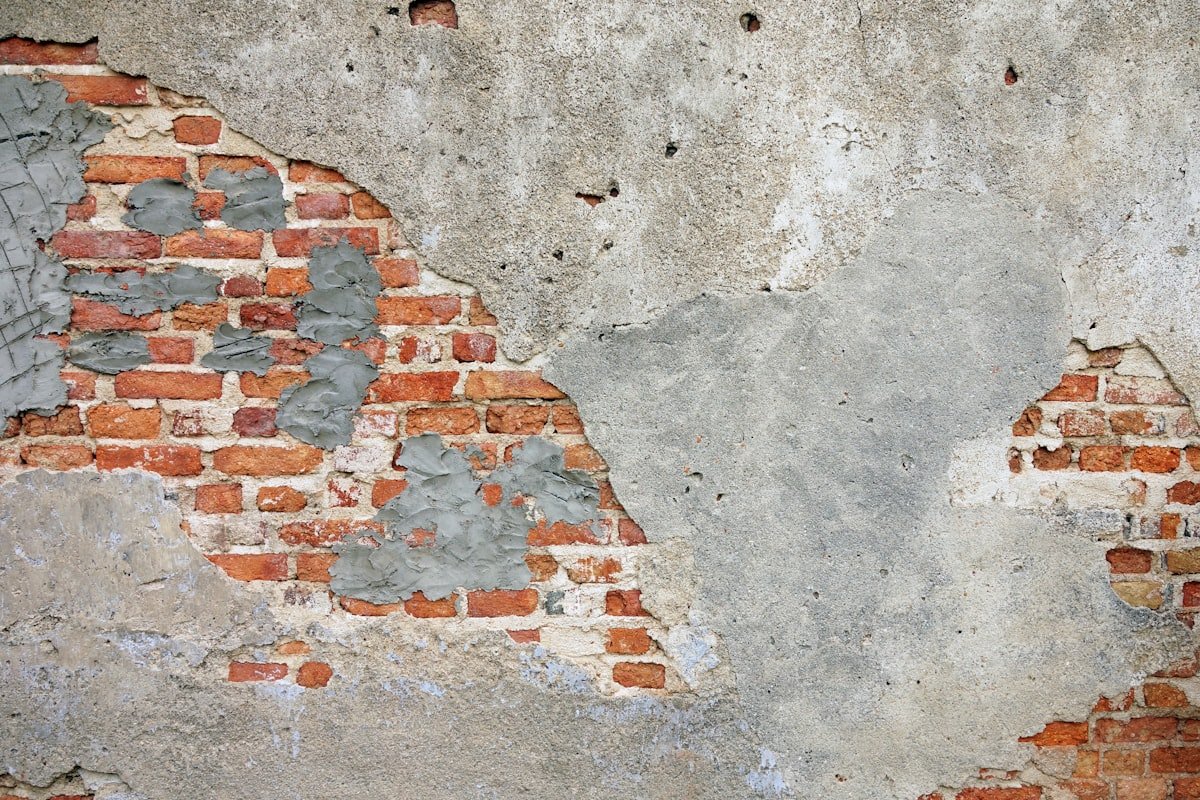
The Correct Plaster Mix Ratio for Concrete Block Walls
The standard plaster mix for construction work in Kenya and across East Africa is 1 part cement to 4-6 parts clean river sand, by volume.
For the scratch coat (first layer), use 1:4. This gives a stronger, more adhesive base. For the finish coat (second layer), use 1:5 or 1:6. A leaner mix shrinks less as it dries, reducing surface cracking.
| Coat | Mix Ratio (Cement:Sand) | Thickness |
|---|---|---|
| Scratch coat | 1:4 | 10-12mm |
| Finish coat | 1:5 to 1:6 | 6-8mm |
| Total thickness | – | 15-20mm |
Add only enough water to make the mix workable. The mix should hold its shape when formed into a ball in your hand but not feel dry or crumbly. Excess water weakens the bond and increases shrinkage cracking.
How to Prepare the Surface Before You Plaster
Surface preparation is what separates a plaster job that lasts 20 years from one that peels in 6 months.
Step 1 — Clean the wall. Remove dust, oil stains, curing compound residue, and any loose material. A stiff wire brush handles this effectively.
Step 2 — Wet the surface. Dampen the block wall thoroughly with water before applying plaster. A dry wall draws moisture out of the mix too quickly, weakening the bond. Saturate it so the surface is damp but not dripping.
Step 3 — Apply a spatterdash (bonding slurry). Mix cement and water into a thick slurry at approximately 1:1.5 by volume and dash it onto the wall with a brush or by hand. This roughens the surface and dramatically improves adhesion. Allow it to set for 12-24 hours before plastering.
Honestly.. this step is skipped on most sites to save time. That is exactly why so many walls delaminate. Do not skip it.
Applying the Plaster: The Two-Coat System
Once the spatterdash has set, you are ready to plaster.
First coat — scratch coat. Apply the 1:4 mix to a thickness of 10-12mm using a steel float. Work in sections, pressing the plaster firmly into the surface. Before it fully sets, scratch the surface horizontally with a comb scratcher or notched float. These grooves give the second coat mechanical key to grip onto. Allow this coat to cure for at least 24 hours with light misting.
Second coat — finish coat. Apply the 1:5 or 1:6 mix to a thickness of 6-8mm. Use a wooden float in circular motions to compact and level the surface. Finish with a steel trowel for a smooth, dense surface, or a sponge float for a slightly textured finish.
Do not overwork the finish coat. Excessive troweling draws cement to the surface, creating a weak skin that cracks easily once it dries.
Curing Your Plaster — The Step Most Artisans Skip
Curing is not optional. It is what gives plaster its final strength and prevents surface cracking.
After the finish coat is applied, keep the surface damp for a minimum of 7 days. In hot, sunny conditions — common on Kenyan construction sites — mist the wall at least twice a day: morning and afternoon.
Never plaster in direct midday sun. Rapid evaporation before the plaster has bonded causes immediate surface cracking. If working in harsh conditions, hang hessian sheets or shade netting over fresh plaster to slow down moisture loss.
In simple terms.. BS 8000-10 (Workmanship on Building Sites: Plastering and Rendering) requires that freshly applied render be protected from premature drying. Most cracked plaster walls on site today are a curing failure, not a materials failure.
Frequently Asked Questions
Q: Can I plaster directly onto concrete block without a scratch coat?
On smooth-faced blocks, a single coat without a scratch coat commonly leads to delamination within months. The two-coat system gives better adhesion and more controlled final thickness. On rough-textured blocks, a single coat may work if the surface has been wetted and a spatterdash coat applied.
Q: How long should I wait between the scratch coat and the finish coat?
Wait a minimum of 24 hours. The scratch coat needs to be firm enough to support the second layer without the two coats merging. In cold or humid conditions, allow 48 hours. If you press your thumb into the scratch coat and it is still soft, it is not ready.
Q: What causes brown staining on a plastered wall after completion?
Brown staining is usually caused by salt migration from the blocks or substrate — a condition called efflorescence. It can also result from using sand with high organic content. Treat the wall with a salt-inhibiting primer or SBR bonding agent before plastering, and always use clean, washed river sand.
Achieving a smooth, durable plaster finish is not complicated.. but it requires following the correct sequence without shortcuts. Prepare the surface, use the right mix ratio, apply in two coats, and cure for seven days. Every step connects to the one before it. The artisans who do this correctly are the ones who get called back for the next project.
Want more practical construction knowledge delivered directly to you?
👉 Subscribe to our YouTube channel: https://www.youtube.com/@TheCivilEngineeringHub-001
PS: Join our engineering WhatsApp community for daily learning at +254731393520
Very educative
What is Delamination?
How can one coat plaster lead to delamination