

Undersized cables are one of the most common causes of overheating, tripped breakers, and fire risk on construction sites. Cable sizing for electrical circuits means selecting a conductor that can safely carry the expected current, without overheating, while keeping voltage drop within acceptable limits.
Get it wrong and you either waste money on oversized cable, or you put the building and the people in it at risk. Honestly, this is one topic every site electrician, supervisor, and even civil engineer coordinating MEP works should understand at a working level, not just in theory.
This guide breaks down cable sizing the way it actually happens on site: current rating, voltage drop, derating factors, and the tables you need to make a fast, correct decision.
Quick Answer: Cable size is selected by matching the conductor’s current-carrying capacity to the circuit’s design current, then checking that voltage drop stays within 4% of supply voltage over the cable run, and adjusting for installation method and grouping using derating factors from BS 7671 or IEE wiring regulations.
What Determines the Right Cable Size for a Circuit?
Three factors decide cable size, and site teams often only check one of them.
The first is current rating, also called ampacity. This is the maximum current a cable can carry continuously without exceeding its temperature limit. It depends on conductor material, insulation type (PVC or XLPE), and cross-sectional area.
The second is voltage drop. Even if a cable can carry the current safely, a long run can lose enough voltage that equipment at the far end underperforms or fails to start.
The third is the installation method. A cable buried in the ground, clipped to a wall in free air, or bunched with other cables in a trunking each has a different heat dissipation capacity, which changes its safe current rating.
In simple terms, sizing a cable is not one calculation. It is a check across all three factors, and the largest cable size required by any of them is the one you use.
How Current Rating and Load Affect Cable Selection
Before you size anything, you need the design current of the circuit. This comes from the connected load, expressed in amps.
The table below shows typical design currents for common circuits found on Kenyan residential and small commercial sites.
| Circuit Type | Typical Load | Approximate Design Current | Common Cable Size |
|---|---|---|---|
| Lighting circuit | Up to 1,200W | 5A | 1.5 mm² |
| Socket outlet ring | Up to 7,200W | 32A | 2.5 mm² |
| Cooker circuit | Up to 10,000W | 40-45A | 6 mm² |
| Water heater (instant) | Up to 8,000W | 32-35A | 6 mm² |
| Submain to distribution board | Varies by load | 60-100A | 16-25 mm² |
| Main incomer (small residential) | Varies by load | 60-80A | 25-35 mm² |
These figures are a starting point, not a substitute for a proper load schedule. Every distribution board should have its own calculated load, not a cable size copied from the last project.
The truth is, most cable failures on Kenyan sites trace back to someone using “what was used last time” instead of calculating design current for the actual connected load.
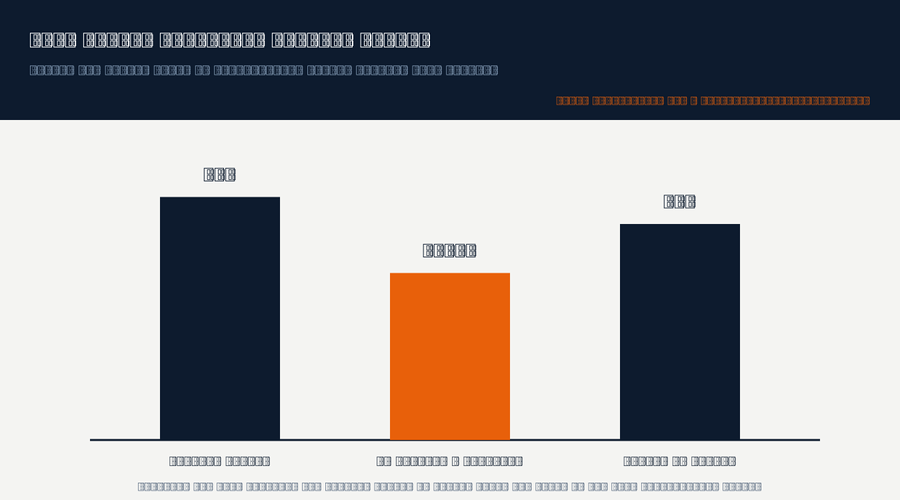
Voltage Drop .. The Site Mistake Many Electricians Make
A cable can be rated for the correct current and still fail the installation if the run is too long. This is where voltage drop comes in, and it is the factor most often skipped on site.
BS 7671 (the IEE Wiring Regulations) recommends that voltage drop should not exceed 3% for lighting circuits and 5% for other circuits, measured from the origin of the installation to the point of use. Combined, the two together should generally stay under 4-5% depending on the standard applied.
The formula used on site is straightforward: voltage drop (mV/A/m) x design current (A) x cable length (m), divided by 1,000, gives you the drop in volts. Manufacturers publish the mV/A/m value for each cable size, so this is a lookup, not a derivation from first principles.
For a long submain feeding a borehole pump or an outbuilding, this calculation often forces you to a larger cable size than current rating alone would suggest. That is normal, and it is not over-engineering. It is the standard doing its job.
Cable Sizing Table for Common Circuit Runs
Once design current and expected cable length are known, cross-check against a manufacturer’s cable rating table. The table below gives typical current-carrying capacities for PVC-insulated copper cable in common installation methods, based on standard reference tables used alongside BS 7671.
| Cable Size (mm²) | Clipped Direct (A) | In Conduit/Trunking (A) | Buried in Ground (A) |
|---|---|---|---|
| 1.5 | 19.5 | 14 | 18 |
| 2.5 | 27 | 18.5 | 24 |
| 4 | 36 | 25 | 31 |
| 6 | 46 | 32 | 39 |
| 10 | 63 | 43 | 52 |
| 16 | 85 | 57 | 67 |
| 25 | 112 | 75 | 86 |
Notice that the same cable size carries less current when bunched in conduit or trunking compared to being clipped directly in free air. This is why installation method cannot be ignored, even when the design current looks straightforward.
Derating Factors You Cannot Ignore On Site
Manufacturer tables assume a reference ambient temperature, usually 30°C, and a single circuit installed alone. Kenyan site conditions rarely match that assumption.
Grouping factor applies when multiple cables run together in the same conduit, trunking, or trench. The more cables grouped together, the more each one has to be derated because they cannot dissipate heat as freely.
Ambient temperature factor applies when the installation environment runs hotter than 30°C, which is common for cables run through roof spaces or near boilers and generators in Kenya’s warmer regions.
Thermal insulation factor applies when a cable passes through or is covered by insulation material, which traps heat around the conductor.
To size correctly, take the base current rating from the manufacturer’s table, then multiply by the relevant derating factors before comparing it against your design current. If the derated rating falls below the design current, move up a cable size.
Common Cable Sizing Mistakes on Kenyan Construction Sites
A few mistakes repeat themselves across sites, and they are worth naming directly.
Using the same cable size across an entire building regardless of load is the most common one. Every circuit has its own design current and its own length, so a blanket cable size wastes money in some areas and creates risk in others.
Ignoring voltage drop on long runs to boreholes, gates, or outbuildings is another. A cable that passes the current rating check can still fail the voltage drop check, and equipment at the far end suffers for it.
Skipping the grouping and ambient temperature derating when multiple circuits share a trunking run is a third. This is the one that quietly causes overheating months after handover, once the building is fully loaded.
Kenyan Standards and Approvals to Keep in Mind
Cable sizing does not exist in isolation from the wider approval process. On most Kenyan projects, the electrical installation has to satisfy KEBS standards (closely aligned with BS 7671), pass inspection before Kenya Power grants a connection, and match what the licensed electrical contractor submitted for approval.
Kenya Power service connection requirements set minimum cable sizes for the service cable from the meter to the consumer unit, based on the applied-for load in kVA. Undersizing this cable, even if it technically carries the day-to-day load, can delay or fail the connection inspection.
For larger commercial and industrial sites, the National Construction Authority (NCA) expects the electrical works to be signed off by a registered electrical engineer or a licensed contractor, with cable schedules that show the calculations behind each size, not just the final selection.
The practical takeaway for site teams: keep your cable sizing calculations on file, not just in your head. When an inspector or consulting engineer asks why a particular cable was used on a particular run, you should be able to show the design current, the length, the derating factors applied, and the standard referenced. That single habit separates professional site practice from guesswork.
Frequently Asked Questions
Q: What size cable do I need for a 32A circuit?
A 2.5 mm² PVC cable clipped direct typically covers a standard 32A ring or radial circuit, but this depends on cable length and installation method. Always run the voltage drop check for the actual run length before finalizing the size. On longer runs, you may need to move up to 4 mm² even though the current rating alone would suggest 2.5 mm² is enough.
Q: Why does the same cable size have different current ratings in different tables?
Current rating changes based on installation method, ambient temperature, and grouping with other cables. A cable clipped directly in free air dissipates heat better than one bunched inside conduit, so its safe current rating is higher. Always match the table to your actual installation condition, not a generic figure.
Q: Is it safe to oversize a cable “just to be sure”?
Oversizing is safer than undersizing, but it is not free. Larger cables cost more, are harder to terminate in standard accessories, and can be unnecessary if the load and run length do not justify it. The better approach is to calculate properly rather than guess in either direction.
Conclusion
Cable sizing for electrical circuits comes down to three checks done together: current rating for the load, voltage drop over the run length, and derating for real site conditions. Skip any one of these and you either overspend or put the installation at risk.
The truth is, this is a calculation every site team should run for every distribution board and every long cable run, not just the obvious ones. Reference BS 7671 or the applicable Kenyan wiring standard, use manufacturer tables for your specific cable type, and treat voltage drop as a mandatory check, not an optional one.
Want more practical construction knowledge delivered directly to you?
Subscribe to our YouTube channel: https://www.youtube.com/@TheCivilEngineeringHub-001
PS: Join our engineering WhatsApp community for daily learning at +254731393520